By Rohn Borirakchanyavat
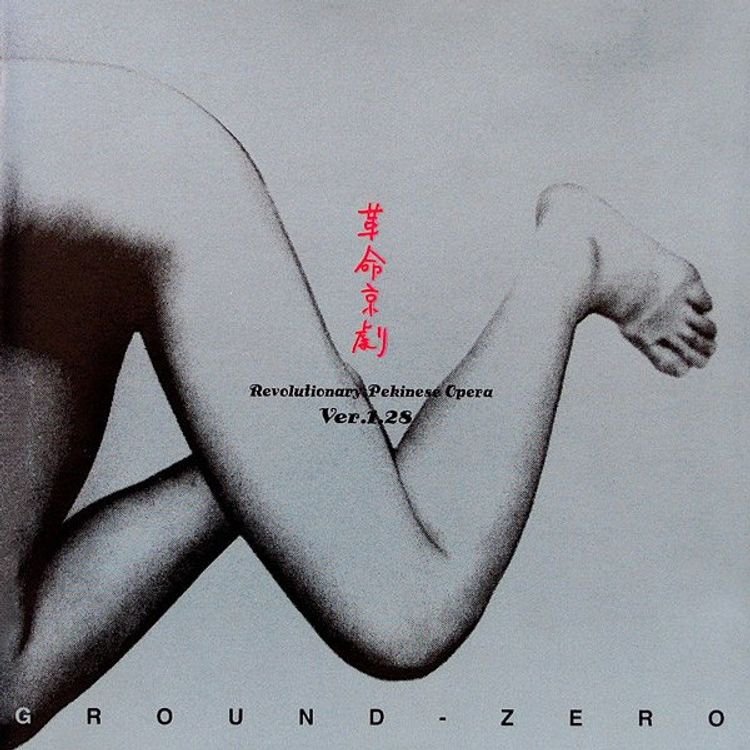
Released on May 28, 1996, Revolutionary Pekinese Opera Ver.1.28 by Ground-Zero is a confusing listen to say the least. I have no idea what’s going on. It’s loud. It’s cacophonous. It’s discombobulating and terrifying. However harsh on the ears as it may be, it accomplishes everything the band set out to do and stands out as a landmark in experimental music.
In order to make sense of Ground-Zero’s third album, we need to understand the main sample. The record heavily samples Heiner Goebbels and Alfred 23 Harth’s adaptation of the revolutionary operas, a series of shows planned by Chairman Mao’s wife Jiang Qing during the Cultural Revolution. These plays were meant to lift patriotic spirit and acted as communist propaganda pieces. Traditional stories about emperors, scholars, and gods were replaced with modern socialist themes. These stories focused on the workers, soldiers, and peasants as heroes with a strong emphasis on loyalty to the Communist Party and Cultural Revolution.
While the revolutionary operas portray the Cultural Revolution as a vital and necessary movement to preserve Chinese values, the movement stands as China’s greatest tragedy, defined by unjust political accusations and widespread suffering as relentless upheaval pushed many into starvation. Although the original operas are very pleasant and easy on the ears, Ground-Zero turns this on its head, and creates a chaotic and disorienting soundscape, in turn, being a more accurate representation of what the Cultural Revolution was.
The album can feel unapproachable at times, built from relentless layers that feel like being thrown into the middle of an argument between machines, horns, and radios. But once it settles, it reveals a surprising sense of structure, with dynamic shifts in tension, moments of silence, and passages of eerie calm that make the noisy parts all the more impactful.
Revolutionary Pekinese Opera Ver.1.28 is certainly not ear candy. Its overwhelming layers of noise, distortions, and samples reflect the chaos and paranoia that defined the Cultural Revolution itself. Although it can seem unlistenable, the abrasiveness serves as valuable political commentary, using its confusing and uncomfortable nature to create a valuable reflection of history. Instead of sticking to the ideals presented in the original operas, the album rejects them, resulting in an unforgettable listening experience.
Leave a Reply